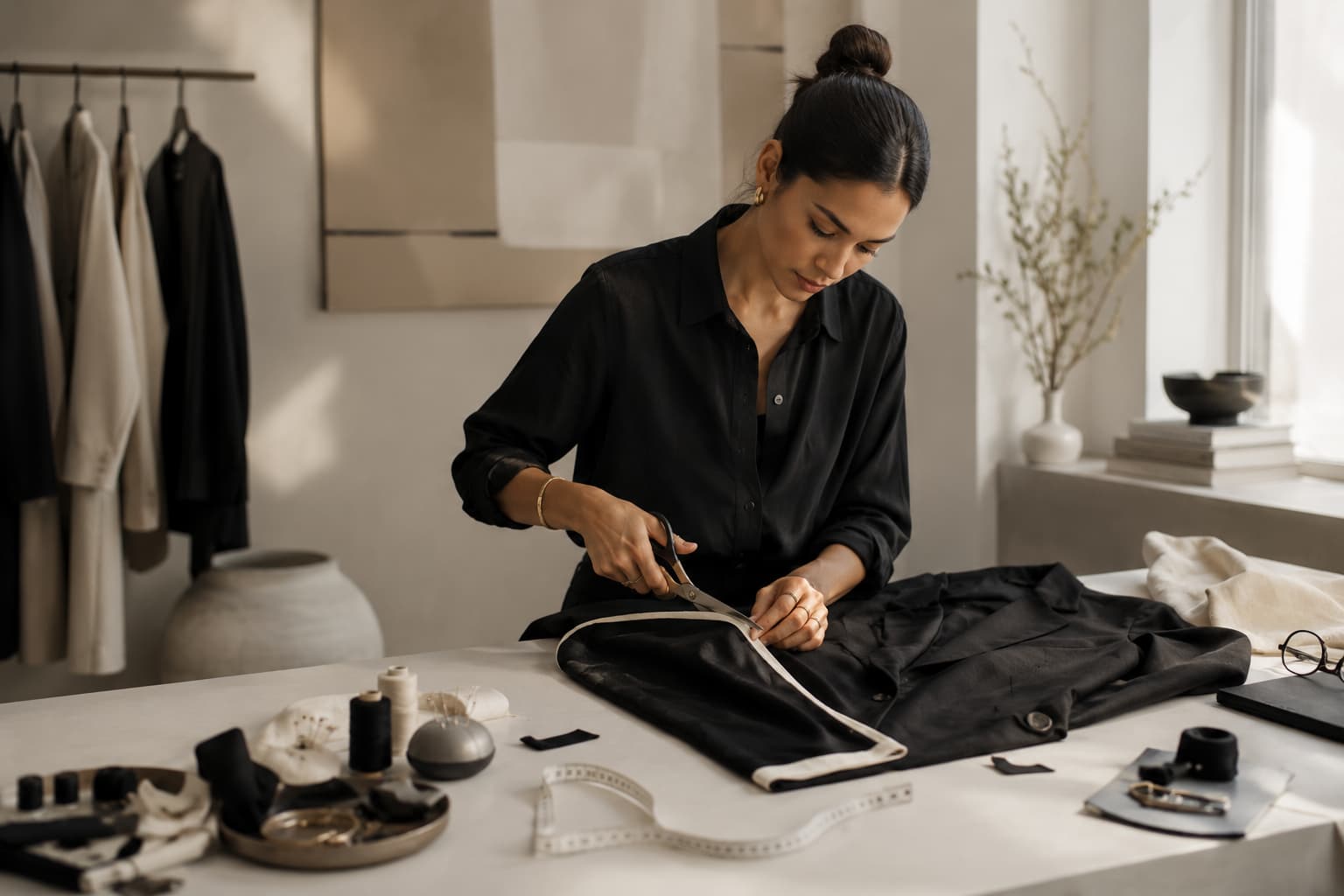
Upcycling clothes ideas can turn forgotten garments into pieces you want to wear again. Many closets hold clothes that still have potential but no longer feel exciting. A shirt may need a new shape. Jeans may need a creative patch. A dress may need trimming, dyeing, cropping, or restyling. Upcycling gives those items another chance before they become waste. It also lets you build a more personal wardrobe without buying something new every time your style shifts. A practical beginner upcycling method keeps the process approachable. You only need simple tools, patience, and a willingness to experiment.
Upcycling clothes ideas feel creative because they begin with possibility. Instead of seeing an old garment as finished, you ask what it could become. A strong DIY fashion project mindset helps you look at fabric, fit, color, and details differently. A plain tee can become cropped, painted, embroidered, or layered. Tired jeans can become shorts, patches, or a bag. Upcycling Made Simple and Actually Fun: A Beginner’s Guide to Upcycling Clothes helps make those creative choices feel less intimidating. The best projects often start small and grow with confidence.
Upcycling clothes ideas for beginners should stay simple at first. Choose projects with low risk and visible payoff. Try cropping a tee, changing buttons, adding patches, hemming sleeves, or turning a scarf into a belt. A helpful easy clothing makeover approach prevents frustration. Do not begin with your most expensive garment. Practice on pieces you already planned to donate. This gives you freedom to learn. Each small success builds skill and confidence. Over time, you can try dyeing, sewing, reshaping, or combining garments into something more original.
The best candidates are clothes you no longer reach for. Ask why the item sits unused. Maybe the fit feels outdated. Maybe the color is wrong. Maybe the details look too plain. A useful closet refresh project starts with the problem before choosing the fix. If the silhouette is wrong, adjust length or shape. If the color feels dull, consider dye or contrast stitching. If the piece lacks personality, add texture, hardware, or trim. Upcycling works best when the change solves a specific reason the garment is unworn.
Upcycling clothes ideas become stronger when they reflect your actual style. Avoid copying a trend that does not match your wardrobe. A thoughtful sustainable style habit asks what you already love wearing. If you prefer minimal outfits, try clean tailoring, subtle dye, or tonal stitching. If you enjoy bold looks, try contrast panels, patches, fringe, or visible mending. Upcycling Made Simple and Actually Fun: A Beginner’s Guide to Upcycling Clothes helps connect creativity with wardrobe usefulness. The finished piece should feel like you, not just like a craft.
Upcycling clothes ideas can also reduce unnecessary shopping. When you learn to adjust pieces, you become less dependent on buying new items for every mood shift. A practical budget fashion project can stretch your wardrobe without stretching your wallet. Replacing buttons may make a jacket feel sharper. Cropping trousers may make them wearable with different shoes. Adding shape to a dress may make it useful again. These changes are often cheaper than buying replacements. They also make your wardrobe feel more original.
A good upcycling habit includes testing before committing. Pin, fold, sketch, and try the garment on before cutting. A smart creative clothing reuse approach gives you room to adjust. For beginner project selection, read the Beginner Upcycling Clothes article. For reducing waste through style, continue with the Sustainable Clothing Makeover article. Upcycling Made Simple and Actually Fun: A Beginner’s Guide to Upcycling Clothes helps transform unused clothes into pieces with new life and better meaning.

Leave a comment