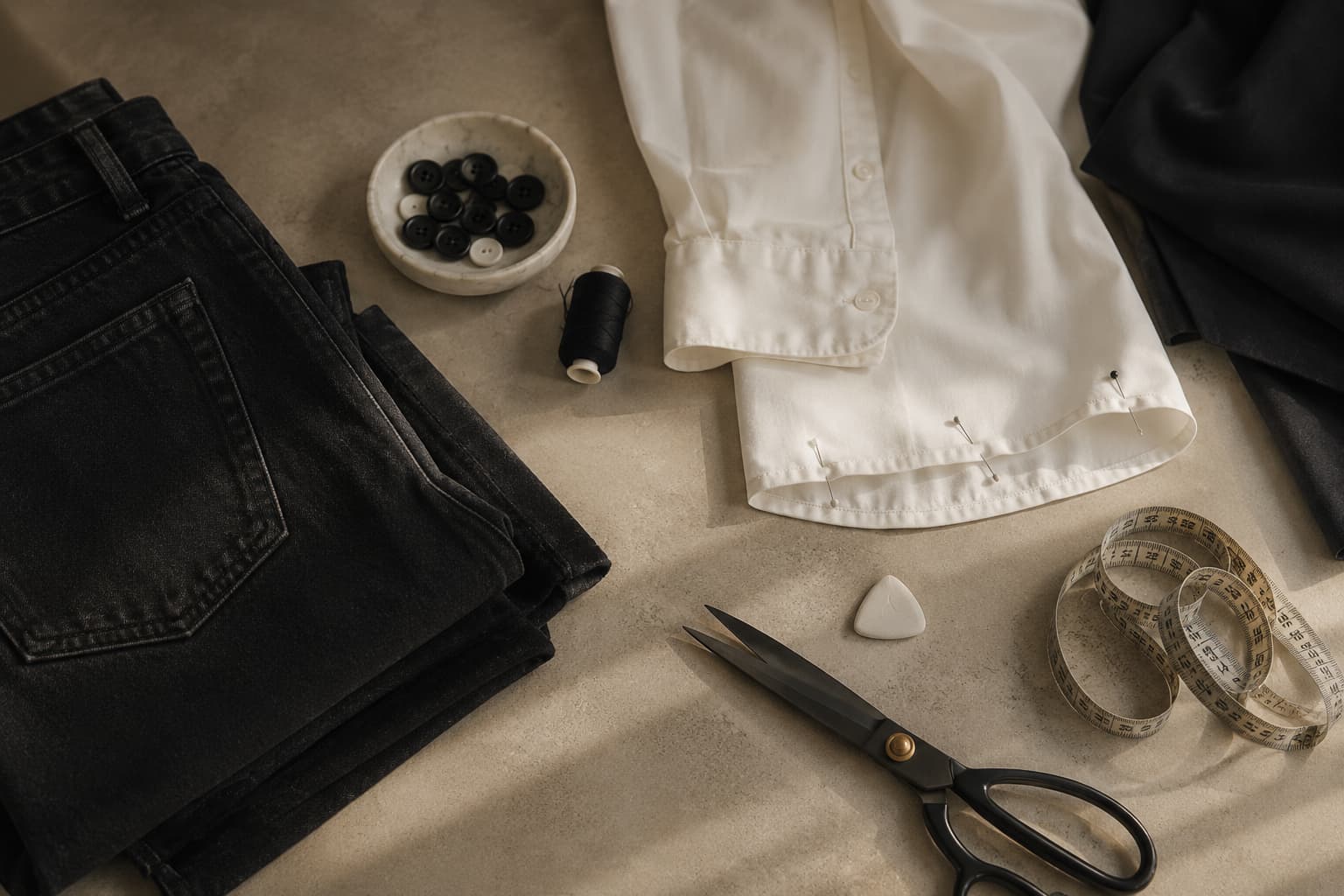
Beginner upcycling clothes projects work best when they are simple, useful, and realistic. Many people love the idea of transforming old garments but stop because the first project feels too complicated. You do not need advanced sewing skills to begin. You need a clear garment, one manageable change, and enough patience to test before cutting. A thoughtful upcycled fashion routine helps you start with pieces that can improve quickly. The point is not perfection. The point is learning how to see clothing differently and make small changes that bring pieces back into rotation.
Beginner upcycling clothes should stay simple because early wins build momentum. A project that takes too many tools or techniques can become discouraging. A useful simple sewing project might involve hemming, cropping, patching, or replacing buttons. These changes teach useful skills without overwhelming you. Start with items you will not regret altering. Practice on a plain tee, old denim, or a thrifted piece. Upcycling Made Simple and Actually Fun: A Beginner’s Guide to Upcycling Clothes helps keep the process structured and enjoyable for first-time makers.
Beginner upcycling clothes often improve most through fit changes. Shortening a sleeve, cropping a shirt, tapering a loose shape, or adjusting a hem can make a garment feel current again. A practical clothing alteration idea starts with trying the item on and marking what feels wrong. Use pins before cutting. Take photos from different angles. Move slowly. Fit projects can be powerful because they make an item more wearable immediately. When a garment fits your life better, you are more likely to style it again.
No-sew changes help beginners gain confidence. Try cuffing, tying, cutting raw hems, adding brooches, swapping belts, using iron-on patches, or changing buttons. A beginner-friendly no-sew clothing hack lets you experiment without committing to complicated construction. Some changes may become permanent later. Others simply help you see new styling potential. No-sew work is especially useful for testing proportions. You may discover that a shirt looks better tucked, cropped, belted, or layered before you alter it permanently. This lowers risk and makes creativity easier.
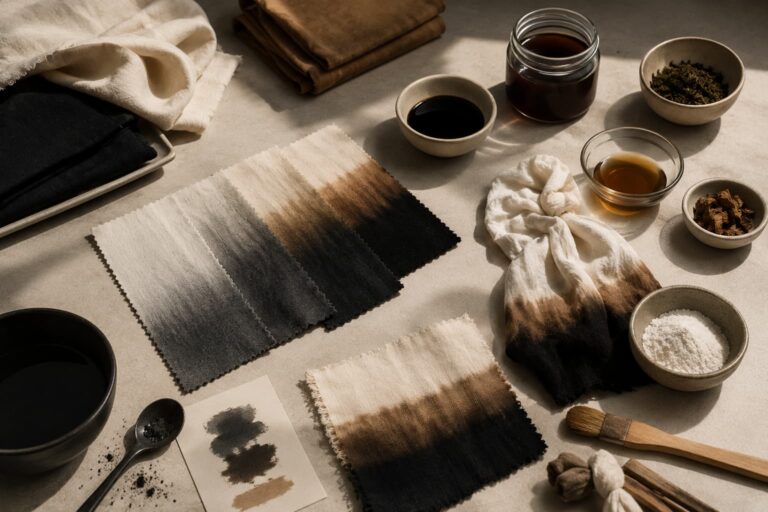
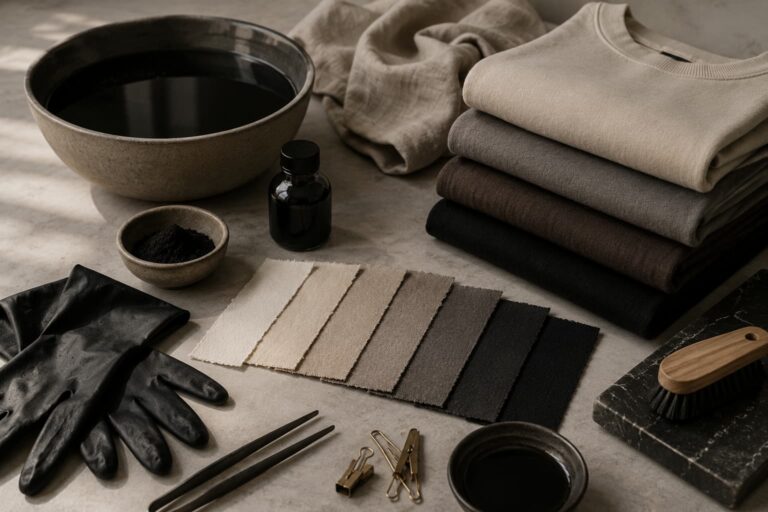
Beginner upcycling clothes can also change through color and detail. Fabric dye, contrast stitching, embroidery, patches, lace trim, or painted accents can shift the mood of a piece. A careful custom clothing project should begin with a small test. Not every fabric accepts dye or decoration the same way. Test scraps, hidden seams, or similar materials when possible. Upcycling Made Simple and Actually Fun: A Beginner’s Guide to Upcycling Clothes helps beginners choose details that feel wearable instead of overdone. Small details can create big style changes.
Beginner upcycling clothes projects should include a finish plan before you start. Decide what success looks like. Will the piece become casual, polished, playful, minimal, or bold? A useful wardrobe repair project should end with a garment you can wear, not just a half-finished idea. Set a time limit. Gather tools first. Avoid starting five projects at once. Completion builds confidence. A finished simple project teaches more than an ambitious project left in a drawer.
Your first project should fit your current style and daily routine. Choose a garment you want to wear soon. A practical DIY wardrobe refresh keeps creativity connected to real outfits. For broader idea-building, read the Upcycling Clothes Ideas article. For sustainability-focused transformations, continue with the Sustainable Clothing Makeover article. Upcycling Made Simple and Actually Fun: A Beginner’s Guide to Upcycling Clothes helps beginners move from intention to finished, wearable results.

Leave a comment